Why Are Bonsai Trees Special? The Art, History & Meaning
Have you ever walked past a display of miniature trees and stopped in your tracks, captivated by a pine tree that looks ancient, yet stands only twelve inches tall?
You aren’t alone. For many, the first encounter with a bonsai is confusing. It looks like a tree, but it lives in a pot shallow enough for a serving of pasta. It seems fragile, yet you hear stories of them living for centuries. It is not a “set it and forget it” decoration like a potted palm tree in an office corner; the effort required to keep a bonsai alive is deliberate and intense, leaving many to wonder: Is it really worth the trouble?
Here is the truth: A bonsai is not just a plant. It is a collision of horticulture, art, and philosophy. It is one of the few hobbies where the “project” is never finished, and the artist often dies before the masterpiece is complete.
In this guide, we strip away the mystery to reveal exactly what makes these miniature giants so culturally and botanically significant.
What Makes a Bonsai Tree So Special?
Bonsai is special because it is a living art form that represents the harmony between nature and human intervention. Unlike standard gardening, the goal is not to harvest fruit or flowers, but to create a realistic representation of nature in miniature. It requires a unique blend of artistic vision, botanical knowledge, and extreme patience, often spanning generations.
More Than a Plant: The “Living Sculpture”
To understand the special nature of bonsai, you must stop viewing it as “gardening” and start viewing it as “sculpting.”
A painter uses canvas and oils; a sculptor uses marble or clay. A bonsai artist uses living wood, roots, and foliage.
The distinct magic of bonsai lies in its fourth dimension: Time.
- A marble statue remains static once the artist puts down the chisel.
- A bonsai tree keeps growing.
The artist must predict how the tree will react to a cut made today, five years from now. This dynamic relationship creates a bond between the creator and the creation that simply doesn’t exist in other art forms.
The Composition Rule
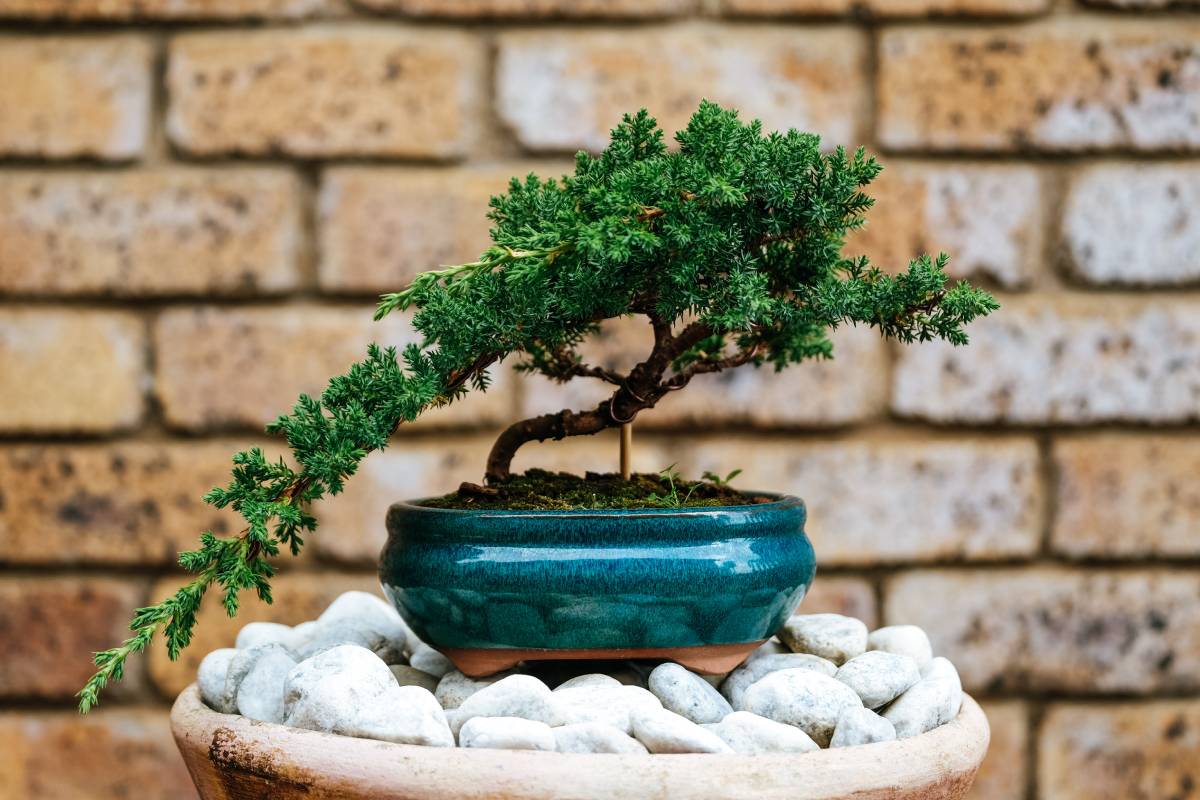
A true bonsai is never just “a tree in a pot.” The word bonsai literally translates to “planted in a container.”
Special Note: The pot is considered 50% of the composition.
If you put a majestic, ancient pine in a cheap plastic bucket, it is not a bonsai—it is nursery stock. The harmony between the shape of the pot and the style of the tree is critical to the aesthetic impact.
The Philosophy: Wabi-Sabi and the Passage of Time
One of the most compelling reasons bonsai are special is their deep connection to Eastern philosophy, specifically the Japanese concept of Wabi-Sabi.
Wabi-Sabi is the appreciation of things that are imperfect, impermanent, and incomplete.
How Bonsai Embodies Wabi-Sabi:
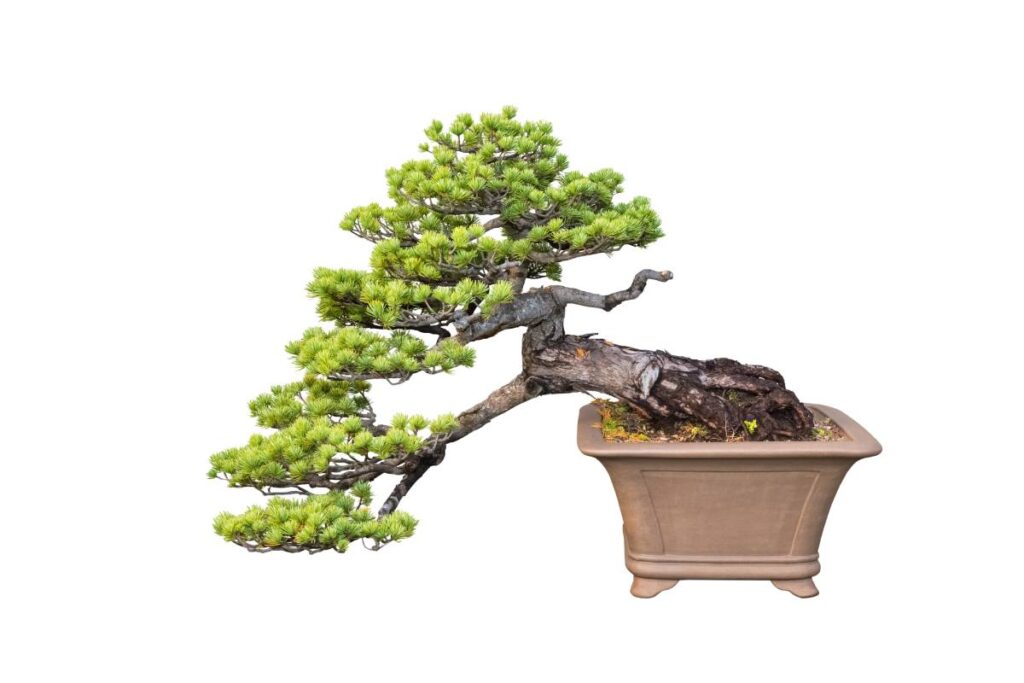
- Asymmetry: A “perfect” triangle is rarely found in nature. Bonsai embraces the slant, the struggle, and the rough bark.
- The Mark of Weather: We value trees that look like they have survived a storm. Dead branches (Jin) and hollow trunks (Shari) are not flaws; they are badges of honor.
- Modesty: The tree does not shout for attention with flashy colors; it commands respect through quiet dignity.
The “Grandfather” Effect
Many world-class bonsai are older than the United States of America. There are trees in the Imperial Palace collections in Japan that have been in training for over 500 years.
When you stand before a tree that was watered by a samurai in 1600 and is being watered by a modern office worker today, you feel a profound connection to history. The tree becomes an heirloom, passing the responsibility of care from one generation to the next.
The Psychology: Why We Need Bonsai in the Digital Age
In our modern world of instant gratification, scrolling feeds, and high-speed internet, bonsai offers a radical counter-culture: Slowness.
We call this “The Slow Art.”
1. Stress Reduction & Mindfulness
Caring for a bonsai forces you to slow down. You cannot rush the growth of a branch.
- Watering: It requires daily observation.
- Pruning: It requires deliberate decision-making.
This routine acts as a form of active meditation. Studies in horticultural therapy have shown that the act of pruning and tending to miniature trees lowers cortisol levels and reduces anxiety.
2. The Illusion of Control
Psychologically, humans love to create order out of chaos. A wild tree is chaotic. A bonsai is nature, tamed. It gives the practitioner a sense of agency and control, allowing them to shape a living being according to their vision.
Expert Insight: The “Kill” Curve
“Many beginners feel guilty when their first bonsai dies. But here is the secret experienced growers know: You haven’t truly started learning until you’ve killed a tree.
Bonsai is not about keeping a decoration on a shelf; it is about learning the language of a species. If a tree dies, it is usually because we tried to force it to live on our schedule (indoors, without light) rather than its schedule (outdoors, with seasons). The special nature of bonsai is that it forces us to respect biological reality.”
The Technical Mastery: Why It Impresses Us
When you ask “what is special about a bonsai,” you are also asking about the technical difficulty. To keep a tree healthy in a small pot for decades requires mastery of several disciplines.
The Techniques that Defy Nature
| Technique | Description | Why it’s Special |
| Ramification | Encouraging branches to split from 1 to 2, 2 to 4, 4 to 8. | Creates the illusion of a full-sized canopy in miniature. |
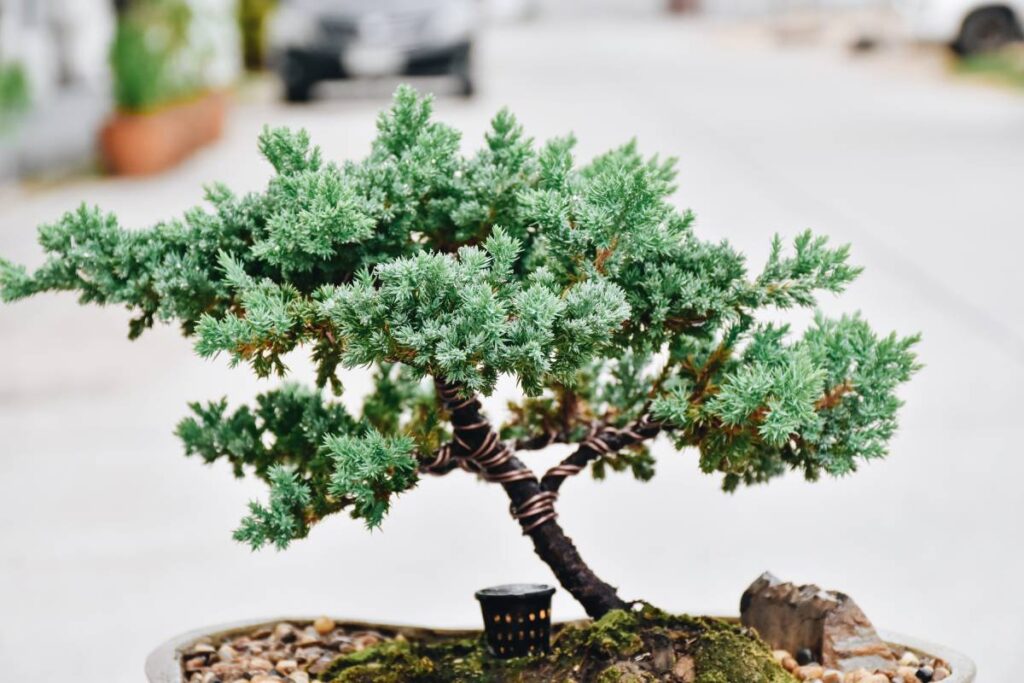
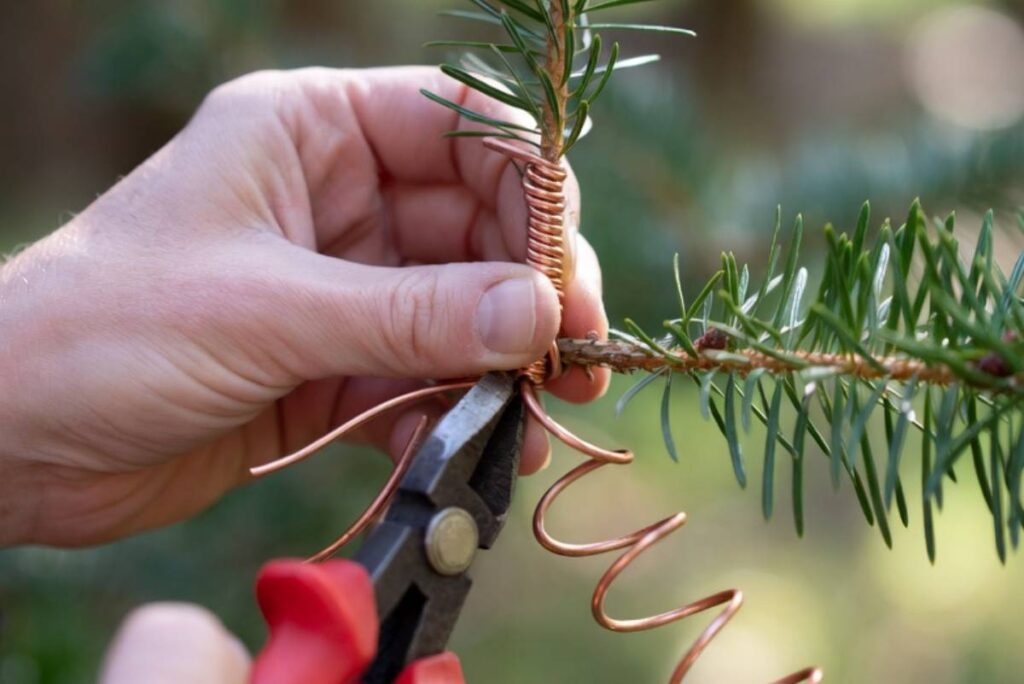
| Wiring | Wrapping copper or aluminum wire around branches to bend them. | Allows the artist to mimic the weight of snow or wind on the branches. |
| Leaf Reduction | Defoliate the tree to force smaller leaves to grow back. | Keeps the scale of the leaves proportional to the small tree size. |
| Root Pruning | Cutting back the roots during repotting. | Maintains the tree’s health in a small space, stimulating fine feeder roots. |
Why Are Bonsai Trees So Expensive?
You can buy a “Mallsai” (mass-produced bonsai) for $30, but a masterpiece can cost $50,000 or even $1,000,000. Why?
It comes down to Time + Skill + Provenance.
- Labor Hours: A high-end bonsai has likely been worked on for hundreds of hours over decades.
- Yamadori (Wild Collection): Some of the most prized trees were collected from high mountain peaks where they grew naturally stunted by harsh winds for centuries. Collecting these and keeping them alive is incredibly risky and requires expert skill.
- Risk: At any moment, a fungal infection or a missed watering could destroy 50 years of work. The price reflects this fragility.
Conclusion: The Tree That Teaches You
So, what is so special about a bonsai tree?
It is the contradiction. It is an old giant in a small pot. It is nature, yet it is art. It is fragile, yet it outlives empires.
Bonsai trees are special because they are mirrors. They reflect the care, patience, and vision of the person holding the watering can. In a world obsessed with the “new,” the bonsai stands as a testament to the old, the slow, and the enduring.
Are you ready to start your journey?
Don’t just read about it. Visit a local bonsai nursery this weekend. Stand in front of a tree that is older than you are, and you will understand the magic instantly.