Lopping vs. Pruning: The Definitive Guide to Tree Health and Safety
Your trees are more than just landscape decorations—they are valuable assets that provide shade, privacy, and property value. But when a branch gets too close to a power line or blocks your view, you face a critical choice that could either extend your tree’s life or sign its death warrant.
You know the tree needs “cutting,” but the terminology is confusing. One contractor suggests a cheap “lop,” while an arborist insists on “pruning.”
Choosing the wrong method isn’t just a cosmetic mistake. “Lopping” often triggers a cycle of rapid, weak regrowth that makes your tree more dangerous and expensive to maintain in the long run.
In this guide, we’ll break down the scientific and practical differences between lopping and pruning so you can make an informed, budget-friendly, and eco-conscious decision for your landscape.
What’s the Difference?
The Short Version: Lopping is the indiscriminate cutting of tree branches to reduce size, often leaving stubs and ignoring the tree’s natural structure. Pruning is a targeted, physiological practice used to remove specific branches for health, safety, and aesthetics, following established arboricultural standards to promote healing.
What is Tree Lopping?
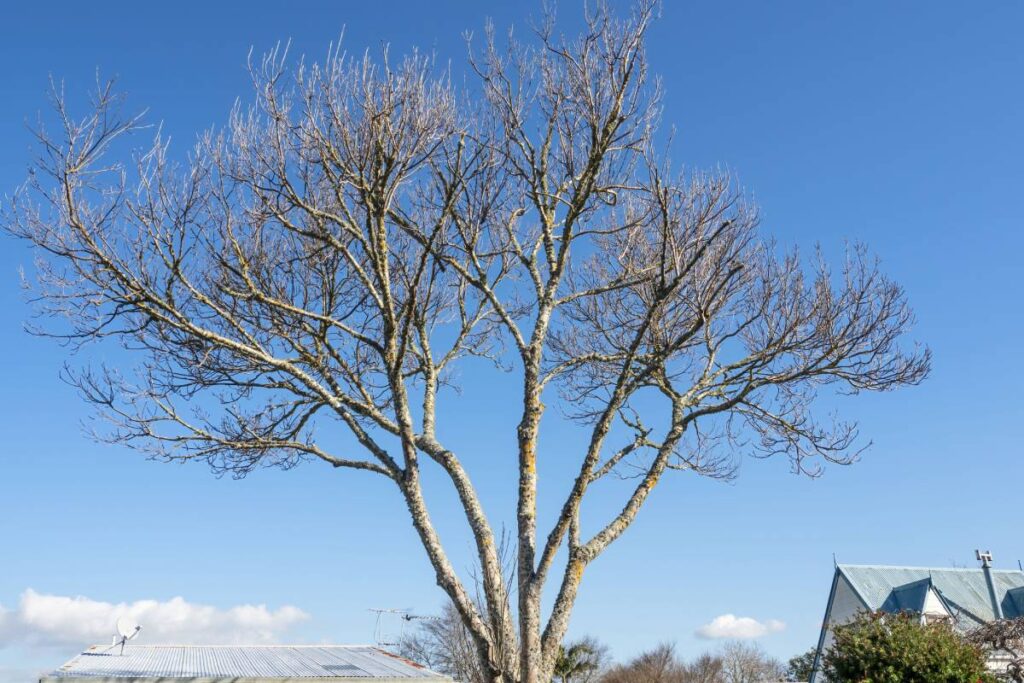
Tree lopping is often referred to in the industry as “topping” or “heading.” It involves cutting away large sections of the tree canopy, usually without regard for the tree’s health or its ability to recover.
Lopping is typically done to reduce the height or volume of a tree quickly. However, because it removes the “terminal leader” (the main upward-growing stem), it creates significant stress for the plant.
Common Lopping Characteristics:
- Cutting branches between nodes (leaving “stubs”).
- Removing a large percentage of the leaf-bearing canopy.
- Focusing purely on the immediate reduction of size.
What is Pruning? (The Science of Selective Removal)
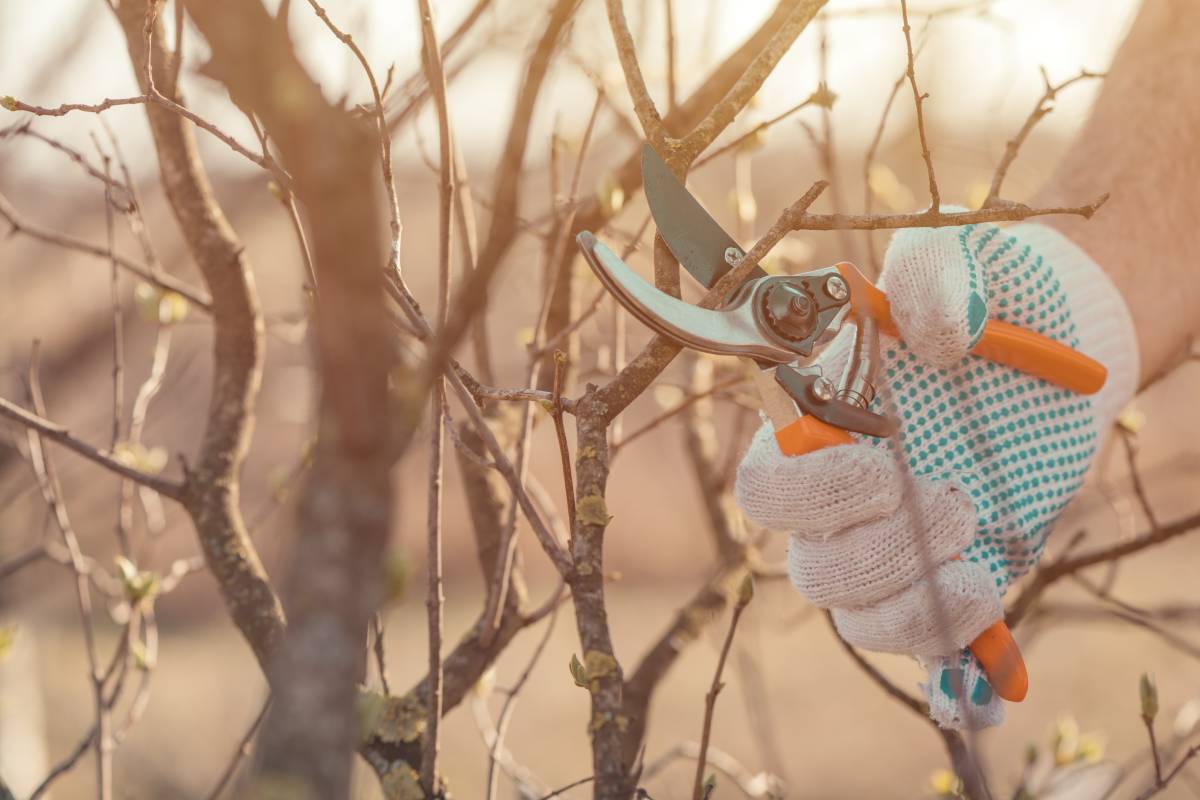
Pruning is an art and a science. It involves the strategic removal of specific branches such as those that are dead, diseased, or structurally unsound, to improve the tree’s overall health and form.
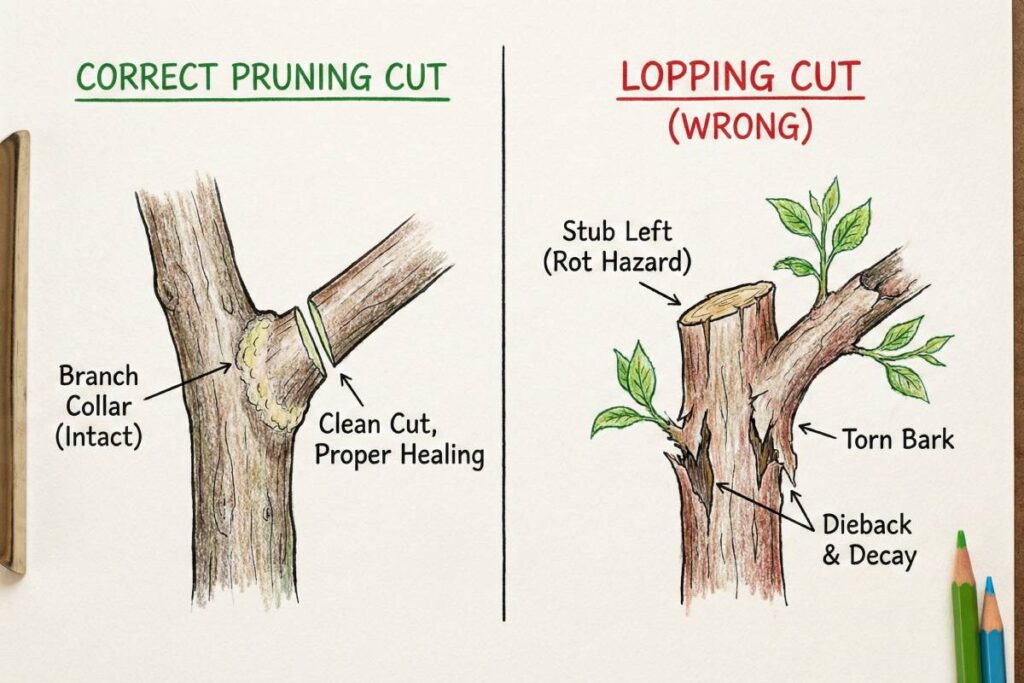
When I prune a tree, I am looking at the Branch Bark Ridge and the Branch Collar. These are the areas where the tree has a natural “defense zone” to seal off the wound. By cutting just outside this collar, we allow the tree to undergo CODIT (Compartmentalization Of Decay In Trees).
The 3 Pillars of Professional Pruning:
- Health: Removing pest-infested or decaying wood.
- Safety: Eliminating branches that might fall on structures.
- Aesthetics: Enhancing the natural silhouette of the species.
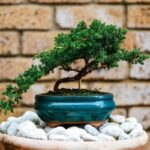
Pro Tip: The Lesson from Small Trees To understand the difference between destruction and discipline, consider why are bonsai trees special. A bonsai is a tree kept intentionally small for decades, yet it remains perfectly healthy. This is because bonsai masters use meticulous pruning techniques to manage the tree’s energy, rather than the blunt-force trauma of lopping. You can reduce a tree’s size without killing it, but only if you respect its biology.
5 Critical Differences Between Lopping and Pruning
To help you visualize the impact on your property, let’s compare these two methods side-by-side.
| Feature | Tree Lopping | Professional Pruning |
| Intent | Immediate size reduction. | Long-term health & safety. |
| Regrowth | Rapid, weak “epicormic” shoots. | Controlled, natural growth. |
| Tree Health | High stress invites decay. | Low stress promotes healing. |
| Visual Appeal | Looks “butchered” or flat-topped. | Maintains natural beauty. |
| Safety Risk | High (new shoots break easily). | Low (improves structural integrity). |
The Hidden Costs: Why ‘Cheap’ Lopping Costs More
I often see homeowners choose lopping because the initial quote is $500 cheaper than a professional pruning. However, lopping is a financial trap.
1. The “Water Sprout” Cycle
When you lop a tree, it panics. It loses its ability to produce food through photosynthesis, so it sends out hundreds of “water sprouts” (epicormic growth). These grow up to 3x faster than normal branches. You will need to hire someone again within 12–18 months to manage this mess.
2. Increased Liability
Epicormic shoots are only attached to the outermost layer of the wood. As they grow heavy, they are prone to snapping off in high winds. If a lopped branch falls on a neighbor’s car, your “savings” vanish instantly in insurance deductibles.
3. Property Value
A “topped” tree is often considered an eyesore. Real estate experts note that mature, well-pruned trees can add up to 10-20% to property value, whereas damaged trees can actually be a liability during a home inspection.
Expert Insight: The ‘Stub’ Trap
Most people don’t realize that trees don’t “heal” like human skin; they seal. When a lopper leaves a stub, the tree cannot grow a callous over the wound. That stub eventually rots, creating a direct “highway” for fungi and termites to enter the main trunk of your tree. Never leave a stub.
When is Lopping Ever Acceptable?
While 95% of arborists will tell you lopping is “evil,” there are three specific scenarios where it might be the only option:
- Safety Emergencies: If a tree is split and poses an immediate threat to life or power lines, drastic reduction (lopping) may be necessary before full removal.
- Pollarding: This is a formal pruning technique (common in Europe) where trees are lopped back to the same point annually. It requires a specific species (like Willows or London Planes) and must start when the tree is young.
- Total Removal Preparation: If the tree is being cut down entirely, lopping the branches first is a standard part of the dismantling process.
How to Choose the Right Tree Service
Before you sign a contract, ask these three questions to ensure you aren’t accidentally hiring a “lopper”:
- “Do you prune to AS 4373-2007 standards?” (Or your local regional equivalent).
- “Will you be leaving stubs or cutting to the branch collar?”
- “Are you a Certified Arborist or a tree lopper?”
Companies like Wiktora Bros Tree Works emphasize that true tree care is about preservation and safety, not just “cutting things down.” Their team of qualified arborists understands that every cut affects the tree’s future health. When you hire specialists who prioritize Australian standards, you’re investing in the longevity of your landscape rather than a temporary fix.
Conclusion
The difference between lopping and pruning is the difference between short-term convenience and long-term value. Lopping is a quick fix that creates a high-maintenance hazard. Pruning is an investment in the safety, beauty, and longevity of your landscape.
Next time you look at that overgrown branch, ask yourself: Do I want this gone today, or do I want this tree here tomorrow?